Floral disposal rules Kingston council recycling and fines
Posted on 19/10/2026
If you have ever stood in the kitchen with a tired bouquet, a pile of rose stems, or a box of event flowers and wondered what on earth to do with it all, you are not alone. Floral disposal rules Kingston council recycling and fines can feel oddly specific at first, but they matter a lot once you are trying to sort garden waste, mixed recycling, and anything that could trigger a penalty. The short version? Flowers are usually straightforward, but the stems, wrapping, ribbons, pots, foam, compostable bags, and contamination issues are where people get caught out. This guide breaks it down in plain English, with practical steps and a few real-world pointers you can actually use.
Whether you are clearing up after a celebration, managing regular waste at home, or dealing with floral waste from a business, the aim is the same: dispose of it properly, keep recycling clean, and avoid avoidable fines. Let's make it simple.
- Why the rules matter
- How floral disposal works in practice
- Key benefits of doing it right
- Who needs this guidance
- Step-by-step disposal guidance
- Expert tips
- Common mistakes to avoid
- Tools, resources and recommendations
- Law, compliance and best practice
- Options and comparison table
- Real-world example
- Practical checklist
- Conclusion
- Frequently asked questions
Why Floral disposal rules Kingston council recycling and fines Matters
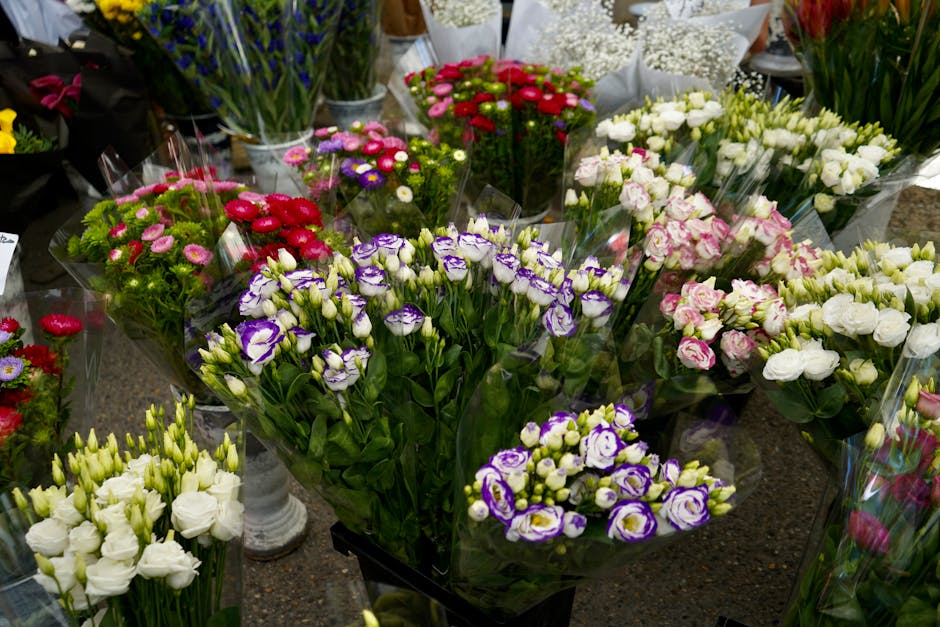
Floral waste looks harmless, and mostly it is. But councils care about more than whether something is "natural". They care about contamination, bin type, missed collections, and whether the wrong materials have been mixed into recycling or garden waste. A bouquet with cellophane and ribbon is not the same as a handful of cut stems. Nor is a florist's leftover stock the same as home garden clippings. That is where people slip up.
For Kingston residents, getting this right matters for three reasons. First, it keeps waste streams cleaner, which helps the recycling and composting process work properly. Second, it reduces the chance of your bin being rejected, left uncollected, or causing problems for neighbours and shared spaces. Third, it helps you avoid fines or enforcement action where waste is repeatedly disposed of incorrectly. Nobody wants to pay extra because a few plastic wraps ended up in the wrong bin. Bit annoying, really.
There is also a practical side. Proper disposal saves time. If flowers are sorted correctly the first time, you are not re-bagging, re-sorting, or trying to guess what the collection crew will accept. You will notice how much easier that makes the whole routine, especially after a busy weekend or a big event when there is already enough mess to deal with.
Practical summary: fresh flowers, stems, leaves, and other organic material can often go with green or garden-type waste where accepted, but wrapping, plastic, floral foam, and mixed packaging usually need separate handling. The fine risk comes from contamination and repeated misuse, not from a single dropped petal.
How Floral disposal rules Kingston council recycling and fines Works
At a basic level, floral disposal is about separating the organic from the non-organic. That sounds simple until you are holding a bouquet with paper wrap, tape, plastic ties, wet foam, and a few metal picks. In practice, the rule is usually: remove anything that is not a plant first, then decide whether the remaining material belongs in garden waste, food/organic waste, general waste, or composting, depending on what your local collection accepts.
In Kingston, the exact disposal route can depend on the current household collection setup, the type of property, and whether you are dealing with loose flowers, florist arrangements, or event waste. Councils can differ on whether cut flowers should go into garden waste, general waste, or another organic stream. So the safest habit is not to assume. Check what your collection service accepts, then separate accordingly. If a bundle includes mixed materials, the non-organic pieces should be removed before anything goes out for collection.
The "recycling and fines" part often confuses people. Flowers themselves are rarely the issue. The issue is contamination. A single plastic sleeve or a chunk of floral foam in the wrong bin may not look like much, but mixed waste can make whole loads harder to process. When that happens repeatedly, councils may treat it as a breach of waste rules. That is where penalties can come in. Fines are not usually about honest confusion once; they are more commonly about persistent misuse, abandoned waste, or dumping items where they clearly do not belong.
In real life, the process is often more old-fashioned than people expect: sort it on the counter, separate the soft organic material from the packaging, and put each part in the right place. Simple, yes. But easy to skip when you are in a rush.
What usually counts as floral waste
- Fresh cut flowers and petals
- Leaves, stems, and small plant trimmings
- Dead arrangements from events or home displays
- Vase water, if disposed of safely down the sink or as advised locally
- Packaging such as plastic wrap, cellophane, tape, tags, and ribbon
- Floral foam, wire, sticks, and decorative picks
The last three are the troublemakers. They are not compostable in the same way and often need to go into general waste unless a specific local recycling or take-back route exists.
Key Benefits and Practical Advantages
Doing floral disposal properly has a few very everyday benefits. The first is obvious: you are less likely to create contamination in recycling or organic waste. The second is less obvious but just as useful: your household routines become cleaner and faster because you are not second-guessing every item. That can be a real relief after weddings, birthdays, funerals, or busy delivery weeks when there are just flowers everywhere.
There is also a community benefit. Shared bin stores, flats, and terraced streets can all suffer when one resident or business puts the wrong materials out. Strong smells, spills, loose plastic, and overfilled bins tend to travel. The sorting itself takes minutes, but the mess can linger all week. No one wants that little alley behind the building turning into a sad bouquet graveyard.
For businesses, the advantage is even more practical. Florists, offices, venues, and hospitality spaces need a repeatable system. If you handle floral waste the same way every time, staff make fewer mistakes, bins are easier to manage, and collections are less likely to be refused. That can save money and reduce awkward conversations with property managers or waste contractors.
- Cleaner recycling streams: fewer rejected loads and less contamination
- Lower risk of fines: especially where misuse is repeated
- Better hygiene: less odour, leakage, and pest attraction
- Easier staff training: simpler rules mean fewer errors
- Less wasted time: quicker sorting and disposal
Who This Is For and When It Makes Sense
This guidance is useful for a lot more people than you might think. If you have ever bought flowers for a birthday, received sympathy flowers, hosted a wedding, or run a shop that handles blooms daily, you are in scope. It also applies if you are cleaning up after a street party, community event, office celebration, or a house move where old arrangements have wilted on the windowsill for a few days longer than they should have. Happens to the best of us.
For households, the main concern is simple disposal without causing contamination. For landlords and housing managers, it is about shared bin compliance and keeping residents clear on what goes where. For businesses, it becomes more formal: a florist or venue may need reliable waste separation, staff instructions, and regular collection arrangements. And if you are responsible for a communal building, you may need to think about signage too. Clear labels help more than people admit.
It makes sense to pay closer attention when:
- you have a large bouquet or multiple arrangements to dispose of
- the flowers came with non-organic packaging
- you are using communal bins
- you run a business that creates floral waste regularly
- you are unsure whether the council accepts the material in garden waste or general waste
- you want to avoid complaints, rejected bins, or enforcement action
That uncertainty is normal. The trick is to treat floral waste as a mixed-material item until you have separated it properly.
Step-by-Step Guidance
Here is the simplest way to deal with floral waste without overthinking it. Keep it practical and do the obvious stuff first. If you do that, most of the hard part disappears.
- Separate the flowers from the packaging. Remove cellophane, ribbon, elastic bands, tape, labels, wire, and any decorative extras.
- Check for floral foam or soaked inserts. These are often not recyclable and usually need general waste unless your local service says otherwise.
- Sort the organic material. Fresh flowers, leaves, and stems are the parts most likely to belong with garden or green waste where accepted.
- Keep contaminated material out of recycling. Wet paper, plastic wrap, and compost-looking items can be easy to mistake for acceptable waste. Better to pause than guess.
- Use the right bin for your property type. Homes, flats, and businesses can have different collection arrangements.
- Bag or bundle only if required. Some collections prefer loose material, while others accept specific liners or sacks. Follow the local instructions.
- Rinse and tidy any containers. If you are reusing a vase, bucket, or holder, empty it properly and clean it before it goes back into use or recycling.
- For large volumes, plan ahead. If you are clearing event flowers, do it in batches rather than shoving everything into one bin at the last minute.
A small but useful rule: if you would be embarrassed to tip the bin over and see it, it probably needs better sorting. Not a scientific test, granted, but it works surprisingly well.
Quick decision guide
| Item | Likely action | Notes |
|---|---|---|
| Fresh flower heads, stems, leaves | Organic or garden-type waste if accepted locally | Best kept free of packaging and ties |
| Cellophane, plastic wrap, ribbon | General waste unless locally accepted otherwise | Usually not recyclable when dirty or mixed |
| Floral foam | General waste | Often not suitable for recycling or composting |
| Cardboard box from delivery | Paper/card recycling if clean and accepted | Remove tape, plastic inserts, and wet contamination |
| Wire, picks, plastic stems | General waste | Check if any take-back scheme exists, but do not assume |
Expert Tips for Better Results
In our experience, the people who get floral disposal right are not doing anything magical. They just follow a few habits consistently. That is the whole trick. A lot of waste problems start because someone thinks, "it'll probably be fine." Usually, it is not fine. Or at least not as fine as it could be.
First, keep a small sorting tray or bag handy near where flowers are arranged or unwrapped. If you are dealing with deliveries, break down the packaging as soon as it comes in. Do not leave it for later. Later turns into three days, and then the water smells a bit funny and the ribbon is stuck to the counter. You know the scene.
Second, treat mixed floral arrangements as a dismantling job. Fresh blooms are not the issue. The issue is the stuff around them. Separate immediately and deal with each material type once. That helps in homes, but it is especially useful in florists, offices, cafes, and venues where staff may be in a hurry.
Third, keep an eye on shared-bin environments. A lot of mistakes happen not because people are careless, but because instructions are unclear. A simple sign near the bins can cut errors dramatically. Keep it short. People read short signs. They ignore essays on bin lids.
Fourth, if you are unsure, do not mix it in "just this once". One incorrect disposal may not cause an issue, but repeated errors build up. Councils and waste contractors are more likely to notice patterns than one-off slips.
Small habits that help a lot
- Break down flower packaging immediately after delivery
- Keep a separate caddy for mixed waste at events
- Train staff on what to strip off before disposal
- Use dry cardboard recycling only for clean boxes
- Keep foam, wire, and plastic out of compost-style bins
- Double-check local collection rules before switching waste streams
Common Mistakes to Avoid
Most problems with floral waste are surprisingly ordinary. They are the kind of mistakes people make when they are busy, distracted, or just trying to clear the table before guests arrive. Fair enough. But they can still create contamination, missed collections, and the sort of friction nobody needs.
- Putting the whole bouquet into recycling. Flowers plus plastic wrap is not clean recycling.
- Leaving floral foam attached. It looks harmless but usually does not belong in organic streams.
- Assuming all paper is recyclable. Wet or coated paper can be a different story.
- Mixing waste from events without sorting. A big job gets messy fast if nothing is separated.
- Using the wrong bin for the property type. Flats, shared houses, and businesses often have different rules.
- Ignoring repeated bin warnings. One warning is a nudge. Repeated problems can become an enforcement issue.
- Forgetting about small extras. Sticky tape, labels, wire, and plastic picks are easy to miss and often cause the most trouble.
One more thing: if your flowers came in a decorative box, do not assume the whole thing is recyclable because the box looks fancy. Packaging can be layered. Pretty packaging is still packaging.
Tools, Resources and Recommendations
You do not need fancy kit to handle floral disposal properly, but a few basic tools help. A pair of scissors, a small sorting tub, kitchen gloves, and a clearly labelled bin can make the job much less annoying. If you run a business, those basics become even more useful because they keep staff consistent.
Useful things to have on hand include:
- Scissors or snips for separating stems from ties and wraps
- Reusable caddies or tubs for temporary sorting
- Labels for bin lids in communal spaces or staff areas
- Gloves for damp stems, thorns, or foam
- Compostable liners only where accepted and only if the local collection allows them
- A simple waste log for businesses handling flowers regularly
For readers looking beyond disposal, it can also help to think about the whole life of the flowers. Choosing longer-lasting arrangements, sensible wrapping, and lower-waste packaging reduces the problem at source. If you are buying flowers regularly, a dependable local florist in Kingston can often advise on more practical, less wasteful presentation too. And if you are sending flowers for an occasion, options like flower delivery in Kingston or same-day flower delivery may help you plan around waste more cleanly rather than rushing at the last minute.
If you are choosing a bouquet for a specific moment, reusable vases and simpler packaging can also reduce disposal headaches later. That is not glamorous, but it is genuinely useful. One less bag of mixed plastic at the end of the evening, which is no bad thing.
Law, Compliance, Standards, or Best Practice
It is worth being careful here. Waste rules can vary by council area, property type, and collection service, and those details matter. Kingston residents should follow the current local waste instructions for household and business collections rather than relying on general internet advice. That is the safest approach, and in practice the only one that really stands up if there is ever a dispute.
In general UK waste practice, the key principles are simple: keep recycling clean, separate non-organic contamination, and present waste in the correct container at the correct time. Councils may apply penalties for repeated misuse, fly-tipping, overflowing bins, or putting prohibited materials into designated collection streams. Floral waste becomes a compliance issue when it is bundled with the wrong materials or dumped where it clearly should not be.
For businesses, best practice is slightly more formal. You should have a waste routine, make staff aware of what goes where, and keep any contracts or collection arrangements clear. If floral waste is part of your daily operations, it is sensible to build a simple written process. Nothing fancy. Just enough that a new member of staff does not have to guess on day one.
It is also sensible to remember that "recycling" does not mean "anything natural". That is one of the biggest myths in waste sorting. A flower head may be biodegradable, but if it is attached to plastic tape or soaked into non-compostable foam, the overall item may no longer belong in the organic stream. That distinction matters more than people realise.
Options, Methods, or Comparison Table
There are usually a few ways to handle floral waste, and the right one depends on what the item is made of and what your local service accepts. Here is a simple comparison to make the decision easier.
| Method | Best for | Pros | Limits |
|---|---|---|---|
| Garden/organic waste collection | Fresh flowers, stems, leaves | Simple, tidy, often the most natural route | Only works if accepted locally and if packaging is removed |
| General waste | Foam, ribbons, plastic wrap, wire | Safe fallback for mixed non-recyclable materials | Not ideal for large volumes or clean organics |
| Clean cardboard recycling | Flower boxes and uncoated packaging | Good for dry, uncontaminated delivery packaging | Wet, sticky, or plastic-lined boxes may be rejected |
| Reuse or donation | Fresh arrangements still in good condition | Reduces waste and extends use | Not always practical for wilted or damaged flowers |
| Venue or business waste system | Regular commercial floral waste | Most controlled option for high volumes | Needs clear process and staff training |
If you are deciding between options, the cleanest route is usually the one that separates materials properly first. That sounds obvious, but honestly, it is where most headaches disappear.
Case Study or Real-World Example
Imagine a small Kingston birthday gathering on a Saturday evening. There are a few bouquets on the table, wrapping paper from gifts, ribbons in a crumpled pile, and by Sunday morning the flowers are starting to droop. The person tidying up is tempted to scoop everything into one bag and move on. Quick. Easy. Done.
But a better approach takes only a few more minutes. First, the cellophane and ribbon come off. The cardboard box from the florist is flattened and checked for any wet or plastic lining. The flowers and stems are separated from any foam or decorative picks. The clean cardboard goes into recycling if accepted, the organic material goes into the correct waste stream, and the plastic packaging goes with general waste. No mystery, no contamination, no extra mess later.
Now compare that with the rushed version. A mixed bag ends up in recycling. The bin gets rejected or partially contaminated. Someone has to re-sort it, and there is a bit of smell by Tuesday because the flowers were already on the turn. Not dramatic, just annoying. And in a shared building, that kind of thing can cause a proper grumble among neighbours.
This is why small event planning matters. If you know flowers are likely to create waste, set up one clearly labelled bag for organic material and one for packaging before the celebration starts. It takes almost no effort, and it saves a lot of fiddling later.
Practical Checklist
Use this quick checklist before you dispose of flowers or floral arrangements in Kingston.
- Have I removed all plastic wrap, ribbon, tape, and labels?
- Have I separated floral foam, wire, and decorative picks?
- Do I know which bin or collection stream accepts the remaining organic material?
- Is the cardboard clean, dry, and suitable for recycling?
- Are any items too dirty or mixed to be recycled safely?
- Am I following the current Kingston collection guidance rather than guessing?
- If this is a business or venue, is staff instruction clear?
- Have I avoided overfilling the bin or mixing in general rubbish?
- Is there any smell, leakage, or contamination risk if the waste sits for a day or two?
- Do I need to keep a note or process for future disposal so I do not repeat the same mistake?
If you can tick all of those off, you are in good shape. Not perfect, maybe, but very close.
Conclusion
Floral disposal rules Kingston council recycling and fines are really about common sense backed by proper sorting. Flowers themselves are rarely the problem; the problem is everything attached to them. Once you strip out the plastic, foam, and mixed packaging, disposal becomes much easier and far less risky. That is true for homes, venues, and businesses alike.
If you remember only one thing, make it this: separate first, dispose second, and never assume mixed floral waste belongs in recycling just because it started life as something natural. A little care now saves a lot of hassle later, and it keeps your bins, your street, and your waste collections in better shape. Simple, but powerful.
Get a free quote today and see how much you can save.
And if you are planning future flower orders with less waste in mind, it helps to work with a supplier who understands practical presentation as well as beauty. A tidy arrangement is lovely; a tidy disposal routine is, quietly, even better.
Frequently Asked Questions
Can I put cut flowers in my recycling bin in Kingston?
Usually not. Cut flowers are organic, but recycling bins are generally for dry, clean recyclable materials such as paper, card, glass, metal, and certain plastics. Fresh flowers are more likely to belong in an organic or garden-type waste stream if your local collection accepts them. Always remove packaging first.
Do flower bouquets count as garden waste?
Sometimes the flower heads, stems, and leaves may be treated like garden waste or organic waste, but the bouquet as a whole usually does not. Bouquets often include plastic wrap, tape, wire, and decorative extras that need separate disposal. Think of the arrangement as mixed material until you have stripped it down.
What is the biggest mistake people make with floral disposal?
The most common mistake is putting the entire bouquet into one bin without separating the materials. That creates contamination and can make it harder for the waste to be processed properly. Floral foam is another frequent problem because people assume it is compostable when it often is not.
Can floral foam go in compost or garden waste?
Usually no. Floral foam is typically not suitable for composting or garden waste collections. It is best treated as general waste unless a very specific local scheme says otherwise. If in doubt, keep it out of organic streams.
Are there fines for getting floral waste wrong?
There can be penalties where waste is repeatedly put out incorrectly, contaminated, or disposed of in a way that breaches local rules. A single mistake is not usually the main issue; repeated misuse, poor bin presentation, or dumping mixed waste in the wrong place is where the risk increases.
What should I do with the plastic wrap from flowers?
Plastic wrap, cellophane, and ribbon usually go into general waste unless your local service specifically accepts them. If the packaging is clean and clearly recyclable in another stream locally, follow that guidance, but do not assume all shiny wrap can be recycled.
Can I recycle the cardboard box from a flower delivery?
Yes, if it is clean, dry, and accepted by your recycling service. Remove tape, plastic inserts, and any wet or contaminated sections first. A soggy box from vase water is a different case from a dry delivery carton.
What if I manage floral waste for a business or venue?
Then you should treat it as part of your waste process, not an afterthought. Staff need clear instructions on separating organic material from packaging, and you may need a more regular collection routine if volumes are high. Good sorting saves time and keeps shared spaces cleaner.
Do I need to rinse flower containers before recycling them?
If the container is going into recycling, it should be emptied and reasonably clean. You do not usually need to scrub it like new, but remove residue, water, and obvious contamination. Dirty containers can affect the quality of the recycling stream.
Is it better to compost flowers at home?
If you have a home compost setup and the flowers are free of plastic, foam, and treated materials, composting can be a sensible option. But not every arrangement is suitable. Mixed bouquets, florist foam, and decorated stems often need extra sorting first. Keep it simple and only compost what you are sure about.
How can I reduce floral waste in the first place?
Choose simpler packaging, reuse vases, buy only what you will actually use, and separate materials as soon as flowers arrive. If you order regularly, a florist who thinks practically about packaging and presentation can make a real difference. Small changes add up, honestly more than people expect.
Where can I get help if I am unsure what to do?
Start with the current Kingston waste guidance for your property type, then sort the flowers into organic, recyclable, and general waste pieces. If you are buying flowers for an event, ask the florist about packaging and disposal-friendly options before delivery. That conversation saves time later and keeps everything a lot less messy.


